
 Português
 Deutsch
 Français
 русский
  Italiano
 日本語
日本語 عربي
عربي  Español
Are silk scarves expensive to produce?
Oct 17, 2025
Leave a message
Are silk scarves expensive to produce? Well, as a silk scarf supplier, I've got some insights to share on this topic. Let's dig into the world of silk scarf production and find out what goes into those price tags.
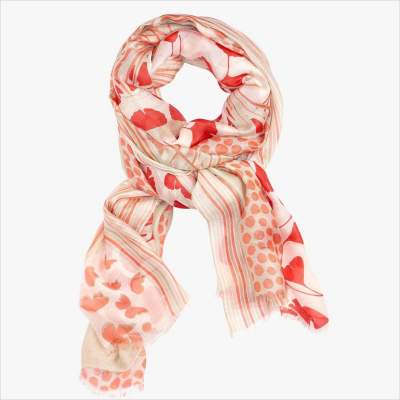

First off, the raw material - silk. Silk is often considered a luxury fiber, and for good reason. It comes from the cocoons of silkworms, mainly the Bombyx mori species. The process of getting silk from these cocoons is quite labor - intensive. Farmers have to carefully rear the silkworms, feed them mulberry leaves (which is all they eat), and then wait for them to spin their cocoons. Once the cocoons are ready, they are boiled to kill the pupae inside and to loosen the silk fibers. Then, the long silk filaments are carefully unwound from the cocoons. This whole process requires a lot of time, effort, and skill. And let's not forget that the quality of the silk can vary greatly. Higher - grade silk, with its smooth texture, natural sheen, and durability, is more expensive to source.
After getting the raw silk, the next step is spinning it into yarn. This is another crucial stage where the quality of the final product starts to take shape. Spinning silk yarn requires specialized equipment and trained workers. The spinning process can be adjusted to create different thicknesses of yarn, which will later affect the feel and appearance of the scarf. For example, a finer yarn will result in a more delicate and lightweight scarf, while a thicker yarn can give a more substantial and warm feel.
Once the yarn is ready, it's time for weaving. There are different weaving techniques for silk scarves. For instance, plain weave is the simplest and most common method, which creates a smooth and even surface. Twill weave, on the other hand, gives a diagonal pattern and can add more texture to the scarf. Jacquard weaving is a more complex technique that can create intricate patterns directly on the loom. Each of these techniques has its own set of requirements in terms of equipment, skill level, and time. Complex patterns and designs in Jacquard weaving, for example, may require a lot of programming and setup time on the loom, which adds to the production cost.
Dyeing is also a significant part of the production process. Natural dyes are often preferred for silk scarves as they give a more subtle and unique color. However, natural dyes can be quite expensive and difficult to source. They also require specific dyeing processes that are often more time - consuming compared to synthetic dyes. Synthetic dyes, on the other hand, are more affordable and offer a wider range of colors. But there are concerns about their environmental impact. And regardless of the type of dye used, the dyeing process needs to be carefully controlled to ensure even color distribution and colorfastness.
Printing is another option for adding patterns to silk scarves. There are different printing methods, such as screen printing and digital printing. Screen printing is a traditional method that can create bold and vivid patterns. But it requires the creation of separate screens for each color in the design, which can be costly, especially for small - batch productions. Digital printing, on the other hand, is more flexible as it can print complex designs directly onto the fabric without the need for screens. However, the equipment for digital printing is expensive, and the ink used can also add to the cost.
Now, let's talk about the finishing touches. After weaving, dyeing, or printing, the scarves need to be finished. This includes processes like hemming, where the edges of the scarf are carefully sewn to prevent fraying. The hemming can be done by hand or by machine. Hand - hemming gives a more luxurious and professional look, but it is extremely labor - intensive and time - consuming, which significantly increases the production cost. Machine hemming is faster and more cost - effective, but it may not have the same level of refinement.
When it comes to the production of different types of silk scarves, there are additional factors to consider. For example, Silk Wool Scarves combine the luxury of silk with the warmth and texture of wool. The blending process of silk and wool requires special attention to ensure that the two fibers are evenly mixed and that the resulting fabric has the desired properties. Wool Silk Blend Scarf also fall into this category, and they often have a unique feel and appearance due to the combination of the two fibers. And Scarf Thick Wool may require more wool in the blend, which can change the cost dynamics depending on the price of wool at the time.
So, are silk scarves expensive to produce? The answer is yes, in most cases. The combination of high - quality raw materials, labor - intensive processes, and the need for specialized equipment all contribute to the relatively high production cost. However, the price also reflects the craftsmanship, quality, and luxury associated with silk scarves.
If you're in the market for silk scarves and are interested in discussing potential purchases, I'd love to have a chat with you. Whether you're looking for a specific design, a particular type of silk scarf, or have questions about the production process, feel free to reach out. I'm here to help you find the perfect silk scarves for your needs.
References:
- Textile Industry Reports on Silk Production
- Books on Silk Weaving and Dyeing Techniques
- Interviews with Silk Farmers and Textile Workers