
 Português
 Deutsch
 Français
 русский
  Italiano
 日本語
日本語 عربي
عربي  Español


Yucanhang Customized Silk Scarf Solutions – Your Trusted One-Stop Manufacturing Partner
As a professional customized silk scarf supplier, Yucanhang provides businesses with high-end customized silk scarves, blending superior quality with innovative design to create timeless elegance and refined brand value.
We source top-grade mulberry silk and coir fabrics globally to ensure our scarves are soft, breathable, and comfortable, adaptable to the marketing needs of different seasons.
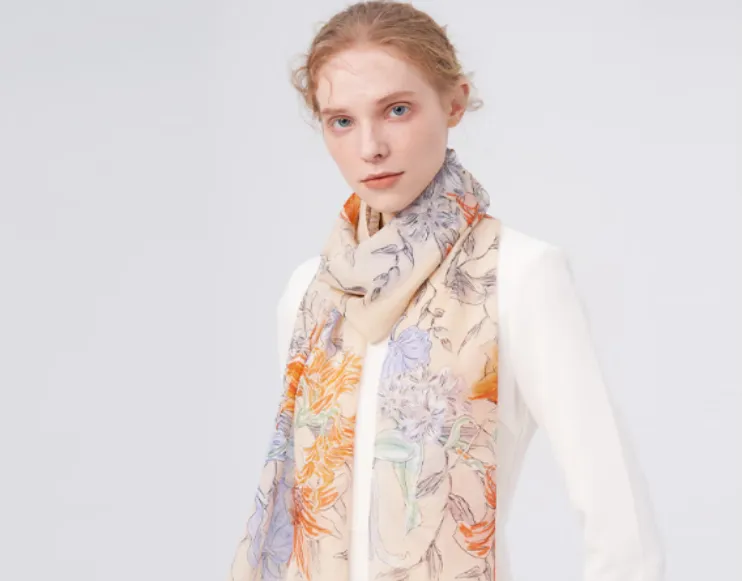
Custom Printed Silk Scarf Manufacturer Core Advantages
Solve Relationship Problems You facing?
01.
Supplier Reliability
- ✓ ISO & SGS Certified Manufacturing
- ✓ 14+ Years Professional Experience
- ✓ Trusted Partner of Customers Worldwide
- ✓ Stable Supply Chain, Fast Global Shipping
02.
Competition Cost
- ✓ Direct Factory Pricing
- ✓ Flexible MOQ & Tiered Bulk Discounts
- ✓ Production with Premium Materials
- ✓ Transparent Quoting, No Hidden Fees
03.
Quality Assurance
- ✓ Premium Fabric and Dye‑Safe Printing
- ✓ Soft Touch, Colorfast, No Irritation
- ✓ Strict Quality Control on Every Batch
- ✓ Complete Inspection Reports Available
04.
Solution Services
- ✓ Custom Design to Match Your Brand
- ✓ 10,000+ Completed Cases Across Industries
- ✓ Expert After‑Sales Support & Guidance
- ✓ Help You Enhance Market Competitiveness
Custom Silk Scarf on Demand


Silk scarves carry rich historical and cultural significance, especially in the luxury goods, gifts, and tourist souvenir industries, helping businesses convey unique cultural values.
Choose The Best Fabric For Custom Silk Scarves
Custom Services: Custom silk-cotton scarves, custom Modal-silk scarves, custom satin silk scarves, custom chiffon silk scarves, custom twill silk scarves, etc.


One-stop custom silk scarf service

Custom silk scarf fabrics China silk scarf factory
Can I customize the hemming of the silk scarf?
Absolutely!- Design Scarf Suppliers
At YuCanHang, we offer a range of hemming options to suit your preferences. You can choose from Machine Hem, Zig-zag Hem, Hand-rolled Hem, Fringe, Or Tassel. Each option adds a unique touch to your scarf, allowing you to personalize it according to your style. Additionally, when hemming, we ensure to use thread that matches the color of your design, ensuring a seamless and polished finish.


Related personalized custom scarves
● Customize labels, hangtags, and packaging to enhance brand image and ensure logo prominence.
● Incorporate logos and slogans to strengthen brand uniqueness, suitable for events or gifts.
● Packaging showcases the brand story and highlights, demonstrating a commitment to quality.
Customization Options
Labels: Woven, printed
Boxes: Folding, ribbon gift, clamshell, top & bottom, drawer, round & more
Surface Finishes: Digital printing, embossing, hot stamping & more
Custom Silk Scarves Popular Choice


Custom Silk Scarf Production Process
A transparent production workflow helps fashion brands and corporate buyers confidently manage every stage of their custom silk scarf project.


Custom Silk printed Scarf For Global Brands
Explore recent custom silk scarf manufacturing projects completed for fashion labels, museum gift shops and premium corporate gifting programs.


Trusted one-stop Silk Scarf Factory
We combine manufacturing expertise, quality control and global logistics support to help brands scale confidently.


FAQ
What is your minimum order quantity for custom silk scarves?
Our MOQ typically starts from 10-100 pieces per design depending on size, fabric and printing method. For luxury brands, promotional campaigns and corporate gifts, we can recommend the most cost-effective production solution based on your project requirements.
Can you manufacture private label silk scarves?
Yes. We provide complete private label services including woven labels, printed labels, custom hang tags, branded packaging, gift boxes and retail-ready presentation solutions for fashion brands and luxury retailers.
What file format should I provide for silk scarf artwork?
AI, PSD, PDF and high-resolution TIFF files are preferred. Our design team can also assist with pattern adjustment, color matching and production file preparation before printing.
How long does custom silk scarf production take?
Sample production generally takes 5–10 business days. Bulk production normally requires 15–30 days depending on order quantity, finishing requirements and shipping destination.
Do you offer worldwide shipping?
Yes. We regularly export custom silk scarves to North America, Europe, Australia, the Middle East and Asia through reliable international logistics partners.
What printing methods are available?
We offer digital printing and traditional screen printing. Digital printing is ideal for detailed artwork and small-to-medium runs, while screen printing is often preferred for large quantities and specific luxury applications.
Print Silk Scarf Design Guide
Printed Silk Scarves Suppliers-crucial Print Design
●Original design:Originality is key when it comes to creating your custom silk scarf design. Take advantage of this opportunity to showcase your creativity by incorporating your own artwork, drawings, or photos. At our studio, we prioritize copyright awareness, so rest assured that plagiarism is strictly prohibited under any circumstances.
●Layout design:When designing your scarf layout, it's crucial to consider how the pattern will appear when worn. For example, with square scarves, folding is necessary, which may obscure certain parts of the pattern. Therefore, adjustments must be made to ensure that the pattern's direction and key elements are well-displayed.
●Border design:To accentuate the delicate hemmings of the silk scarf, consider incorporating a contrasting color border into your design. This not only adds visual interest but also enhances the overall beauty of the scarf.
●Logo design:Don't forget to include your logo or signature in a strategic spot within the design. This not only adds a personal touch but also serves as effective promotion for your brand.
●Double-sided printing design:If you opt for double-sided printing, keep in mind that this method is more demanding on the back color. We recommend focusing on high-grade gray tones to maintain balance. Extreme color contrasts, such as black and white, may impact the overall effect, so it's best to avoid them for double-sided printing.
Print Design Document Guide
Understanding our Print Design File Guide is crucial as it directly influences the outcome of your final product. Before submitting your artwork, it's essential to thoroughly acquaint yourself with these guidelines.
Here are the key requirements:
● Accepted Color Modes: We can process files in RGB or CMYK color mode (with a preference for CYMK).
● Supported Formats: We accept files in TIFF, PDF, JPEG, JPG, PNG, etc.
● Minimum Resolution: Files must have a minimum resolution of 200DPI to ensure high-quality printing.
To ensure your silk scarf features a flawless pattern and impeccable print quality, it's vital to adhere to these specifications.
Here are three scenarios to consider:
● High-Resolution Files: Adjustments or cropping may be necessary to align the design with the product's dimensions.
● Photo Designs: Factors such as pixel density and photography techniques can affect the printing outcome, leading to less predictable results.
● Scanned Images: The resolution of the scanner and the original photo's size will determine the quality of the scanned image.
By following these guidelines and considering these scenarios, you can ensure that your custom silk scarf design is optimized for printing, resulting in a stunning and professional-looking final product.
What Is Silk, And Where Does It Come From?
Silk, a luxurious natural fiber prized for its exquisite texture and shimmering appearance, is crafted from the cocoons of the mulberry silkworm (Bombyx mori) through the ancient art of sericulture.
To extract the silk fibers, the cocoons are carefully collected and subjected to a process known as stifling. This involves plunging the cocoons into boiling water, effectively halting the pupal development and dissolving the sericin, the natural adhesive that binds the cocoon's silk threads together.
Once the sericin is removed, the silk filaments unravel, revealing their fine, lustrous strands. These delicate fibers are then meticulously drawn up onto a loom to create silk threads, each possessing a unique triangular prism-like structure that refracts light at various angles, giving silk its characteristic shimmer and iridescence.
Despite its exquisite qualities, the production of silk is labor-intensive and yields are minimal. It takes approximately 2,500 silkworms and 200 pounds of mulberry leaves to produce just one pound of raw silk, which translates to a mere yard of woven silk fabric. Such meticulous craftsmanship and attention to detail are what make silk a truly luxurious and cherished textile.
What Are The Different Types Of Silk?
Mulberry Silk:
The most common type of silk. It's made from the cocoons of the mulberry silkworm. It's primarily used in various high-end clothing, particularly formal wear and lingerie.
Tussah Silk:
Tussah silk is made from the cocoons of wild silkworms. This type of silk has a coarser texture and is easier to produce, thus less expensive than mulberry silk. Tussah silk is often used in upholstery and drapery.
Erlangen Silk:
Erlangen silk is made from the cocoons of the eri silkworm. It's a type of wild silk and is less expensive than mulberry silk. Erlangen silk is also often used in upholstery and drapery.
Raw Silk:
Raw silk is unrefined silk that has been spun into yarn before any finishing process is done. It has a natural yellowish color and a coarser texture than refined silk. Raw silk is often used in clothing and home decor.
Sea Silk:
Sea silk is made from the shell of the Pinna nobilis, an endangered endemic mollusk species from the Mediterranean. Because of this, sea silk production is very limited, making it one of the rarest and most expensive textiles in the world. It's often used for clothing.
Silk Wool:
Silk wool combines silk and cotton or wool in satin weave, followed by careful scouring in water. It has a weightier feel, softer sheen, and thicker drape than silk. Silk wool is often used in clothing and home decor.
What Is Artificial Silk?
Artificial silk, also known as synthetic silk or faux silk, refers to a type of fabric that mimics the appearance and texture of natural silk but is produced using synthetic fibers rather than natural silk fibers. It was first developed in the 1900s as a cheaper alternative to silk. Now, the entire production process is mainly done by machines, making artificial silk fabric quicker, cheaper, and easier to produce.There are several types of artificial silk, with the most common ones being rayon, acetate, and polyester.
Rayon: Rayon, also known as viscose, is a semi-synthetic fiber made from cellulose derived from wood pulp or other plant-based sources. It is known for its softness and draping qualities, which can resemble natural silk. Rayon can be produced in various weights and textures, making it suitable for a wide range of clothing and textile applications.
Acetate: Acetate is another type of synthetic fiber derived from cellulose, typically from wood pulp or cotton linters. It is lightweight, lustrous, and often used as a substitute for silk in applications such as linings, lingerie, and evening wear. Acetate fabrics have a silky feel and drape but may be less durable than natural silk.
Polyester: Polyester is a synthetic fiber made from petroleum-based chemicals. While it doesn't have the same luxurious feel as natural silk, polyester fabrics can be engineered to mimic the appearance of silk and offer benefits such as durability, wrinkle resistance, and easy care. Polyester is commonly used in a wide range of garments, including blouses, dresses, and suits.
Artificial silk fabrics are often chosen as more affordable alternatives to natural silk, as they can replicate some of its desirable qualities at a lower cost. However, they may not have the same breathability, moisture-wicking properties, or luxurious feel as authentic silk. Additionally, artificial silk fabrics may vary in quality and performance depending on the specific type of synthetic fiber used and the manufacturing process.
What Are The Difference Between Natural Silk And Artificial Silk?
Natural silk and artificial silk (also known as synthetic silk) have several differences, including their sources, production processes, properties, and characteristics. Here are some key distinctions:
Source:
Natural Silk: Derived from the cocoons of silkworms, primarily the mulberry silkworm (Bombyx mori).
Artificial Silk: Made from synthetic fibers derived from chemical processes or plant-based sources such as wood pulp or cotton linters.
Production Process:
Natural Silk: Requires sericulture, which involves rearing silkworms, harvesting cocoons, and extracting silk fibers through processes like boiling and reeling.
Artificial Silk: Produced using various chemical processes to create synthetic fibers such as rayon, acetate, or polyester. These fibers are then spun into yarns and woven into fabric.
Properties:
Natural Silk: Known for its luxurious feel, softness, and natural sheen. It has excellent draping qualities, is lightweight, and has good moisture-wicking properties. Silk fabrics are breathable and hypoallergenic.
Artificial Silk: Properties vary depending on the specific synthetic fiber used. Rayon, for example, can mimic the softness and drape of silk but may not have the same luster. Polyester may have a similar appearance but lacks the natural feel and breathability of silk. Artificial silk fabrics may be less breathable and have different moisture-wicking capabilities compared to natural silk.
Durability and Care:
Natural Silk: Generally more delicate and may require special care such as dry cleaning or hand washing to maintain its integrity. It can be prone to damage from abrasion, sunlight, and certain chemicals.
Artificial Silk: Can be more durable and easier to care for compared to natural silk. Some synthetic silk fabrics, such as polyester, are machine washable and resistant to wrinkles, fading, and stretching.
Cost:
Natural Silk: Typically more expensive due to the labor-intensive production process and the limited supply of natural silk fibers.
Artificial Silk: Generally more affordable than natural silk, making it accessible to a wider range of consumers.
Texture:
Real silk is often made by hand, so you'll often see subtle imperfections like bumps or loose threads in the fabric. Meanwhile, artificial silk is made using machine looms, producing a smooth and seemingly perfect fabric.
That's not to say that you should rule out any smooth silk fabrics you see as fake, though. More and more genuine silk manufacturers are turning to machine looms for quicker production, so make sure you test out other silk properties.
Natural Silk Vs Artificial Silk: So Which Is Better?
Determining whether natural silk or artificial silk is "better" depends on various factors including personal preferences, intended use, budget, and ethical considerations. Here are some points to consider:
Luxurious Feel and Appearance:
Natural Silk: Known for its unparalleled softness, luster, and luxurious feel. It has a unique texture and drapes beautifully, making it highly desirable for high-end garments and luxury home textiles.
Artificial Silk: While artificial silk fabrics can mimic some aspects of natural silk's appearance and feel, they may not match the same level of luxury and elegance. However, they can offer a similar aesthetic at a lower cost.
Durability and Care:
Natural Silk: Generally more delicate and may require special care such as dry cleaning or gentle hand washing to maintain its integrity. It can be prone to damage from abrasion and exposure to sunlight.
Artificial Silk: Can be more durable and easier to care for compared to natural silk. Some synthetic silk fabrics, such as polyester, are machine washable and resistant to wrinkles and fading.
Breathability and Comfort:
Natural Silk: Highly breathable and comfortable to wear, making it suitable for both warm and cool climates. It has natural moisture-wicking properties that help regulate body temperature.
Artificial Silk: Properties vary depending on the specific synthetic fiber used. While some artificial silk fabrics may offer decent breathability, they may not match the natural comfort of silk.
Cost:
Natural Silk: Typically more expensive due to the labor-intensive production process and limited supply of natural silk fibers.
Artificial Silk: Generally more affordable than natural silk, making it accessible to a wider range of consumers.
Ethical Considerations:
Natural Silk: Involves the harvesting of silk from silkworms, which raises ethical considerations for some individuals, particularly those concerned about animal welfare.
Artificial Silk: Does not involve animal products, making it a vegan-friendly option for those who prioritize ethical concerns.
Although there’s still a gap in quality, even discerning eyes and hands are finding it increasingly difficult to distinguish between high-quality artificial silk and real silk. As technology evolves, we predict that it’ll only become easier (and cheaper) to artificially reproduce the textures and appearance of silk.
We're professional silk scarf manufacturers and suppliers in China, specialized in providing high quality custom service. We warmly welcome you to buy or wholesale cheap silk scarf from our factory. For more information, contact us now.
silk scarf inspection, silk scarf care instructions, silk scarf reviews