
 Português
 Deutsch
 Français
 русский
 Italiano
 日本語
 عربي
 Español

How to store silk scarves to avoid moths?
Oct 15, 2025
Leave a message
Hey there! As a silk scarf supplier, I've seen firsthand how frustrating it can be when those pesky moths get to your beautiful scarves. Silk scarves are not only elegant but also quite an investment, so it's crucial to store them properly to keep moths at bay. In this blog, I'll share some practical tips on how to store your silk scarves to avoid moth damage.
Understanding the Enemy: Moths
First things first, let's talk about moths. There are two main types of moths that are known to feast on natural fibers like silk: the webbing clothes moth and the casemaking clothes moth. These little critters are attracted to natural fibers because they contain keratin, a protein that moths can digest. Female moths lay their eggs on the fabric, and when the larvae hatch, they start munching away on the silk, leaving behind holes and damage.
Moths are also attracted to dark, warm, and humid environments, which is why closets and storage spaces can be a haven for them. They're also drawn to soiled or dirty fabrics, as the stains and sweat provide additional nutrients for the larvae.
Cleaning Your Silk Scarves Before Storage
Before you store your silk scarves, it's essential to give them a thorough cleaning. This not only removes any dirt, sweat, or stains that might attract moths but also helps to keep the silk in good condition.
For light stains, you can spot clean your silk scarf using a mild detergent specifically designed for silk. Gently dab the stained area with a soft cloth or sponge, being careful not to rub too hard, as this can damage the delicate silk fibers. Rinse the area thoroughly with clean water and pat dry with a towel.
If your scarf is heavily soiled, you may need to hand wash it. Fill a basin with lukewarm water and add a small amount of silk detergent. Gently swirl the scarf in the water for a few minutes, then rinse it thoroughly under running water. Avoid wringing or twisting the scarf, as this can cause the silk to stretch and lose its shape. Instead, gently squeeze out the excess water and lay the scarf flat on a towel to dry.
Once your scarf is clean and dry, it's ready to be stored.
Choosing the Right Storage Container
The next step is to choose the right storage container for your silk scarves. You want to select a container that is clean, dry, and airtight to prevent moths from getting in.
Plastic storage bins or boxes with tight-fitting lids are a great option. Make sure to choose a container that is large enough to hold your scarves without folding or creasing them too much. You can also line the container with acid-free tissue paper to protect the silk from any potential damage.
Another option is to use garment bags. Look for breathable garment bags made from cotton or muslin, as these materials allow the silk to breathe while still providing protection from dust and moths. Avoid using plastic garment bags, as they can trap moisture and create a humid environment that moths love.
Using Moth Repellents
In addition to choosing the right storage container, you can also use moth repellents to keep moths away from your silk scarves. There are several natural and chemical moth repellents available on the market, each with its own advantages and disadvantages.
Natural Moth Repellents
- Lavender: Lavender is a natural moth repellent that also has a pleasant scent. You can place dried lavender sachets in your storage container or hang lavender sprigs in your closet.
- Cedar: Cedar wood contains natural oils that repel moths. You can use cedar blocks, chips, or hangers in your storage area to keep moths away. Just make sure to replace the cedar every few months, as the oils will eventually wear off.
- Cloves: Cloves have a strong, spicy scent that moths dislike. You can place whole cloves in a small cloth bag and tuck it into your storage container.
Chemical Moth Repellents
- Mothballs: Mothballs are a popular chemical moth repellent, but they contain toxic chemicals such as naphthalene or paradichlorobenzene, which can be harmful to humans and pets. If you choose to use mothballs, make sure to follow the instructions carefully and keep them out of reach of children and animals.
- Moth sprays: Moth sprays are another option, but they can be messy and may leave a residue on your scarves. They also contain chemicals that can be harmful to your health, so use them with caution.
Folding and Storing Your Silk Scarves
Once you've cleaned your scarves, chosen the right storage container, and added your moth repellents, it's time to fold and store your silk scarves.
When folding your scarves, try to avoid sharp creases, as these can weaken the silk fibers over time. Instead, fold the scarf gently along its natural lines, using acid-free tissue paper to separate the layers and prevent them from sticking together.
You can also roll your silk scarves instead of folding them. Rolling helps to prevent creases and makes it easier to store the scarves in a smaller space. Just make sure to roll the scarf tightly but not too tightly, as this can also damage the silk fibers.
Place your folded or rolled scarves in the storage container, making sure to leave some space between each scarf to allow for air circulation. You can also stack the scarves on top of each other, but be careful not to pile them too high, as this can cause the scarves at the bottom to become compressed and damaged.
Storing Your Silk Scarves in the Right Location
The location where you store your silk scarves is just as important as the storage container itself. You want to choose a cool, dry, and dark place to store your scarves, as this helps to prevent the growth of mold and mildew and keeps the silk in good condition.
Avoid storing your scarves in attics, basements, or garages, as these areas are often prone to temperature and humidity fluctuations, which can damage the silk. Instead, choose a closet or a storage room that is well-ventilated and away from direct sunlight.
You can also hang your silk scarves on a clothes hanger, but make sure to use a padded hanger to prevent the scarf from stretching or slipping off. Hang the scarves in a closet or wardrobe, away from any heat sources or windows.
Regularly Checking Your Stored Silk Scarves
Even if you've taken all the necessary precautions to store your silk scarves properly, it's still a good idea to check them regularly for any signs of moth damage. This allows you to catch any problems early and take action before the damage becomes too severe.
Once a month, open your storage container or closet and inspect your scarves for any holes, larvae, or adult moths. If you notice any signs of moth damage, remove the affected scarf immediately and treat it to get rid of the moths. You can also vacuum the storage container or closet to remove any eggs or larvae that might be hiding in the corners.
Conclusion
Storing your silk scarves properly is essential to keep them looking beautiful and free from moth damage. By following these tips, you can ensure that your silk scarves stay in good condition for years to come.
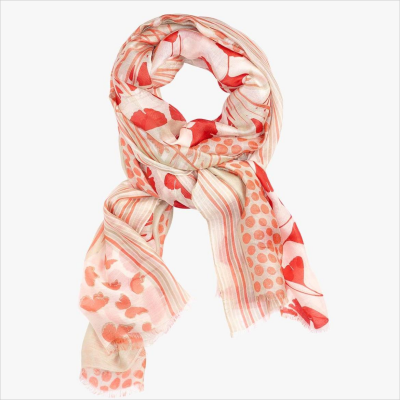

If you're in the market for high-quality silk scarves, we've got you covered. We offer a wide range of Scarf Thick Wool, Silk Wool Scarves, and Wool Silk Blend Scarf that are perfect for any occasion. Whether you're looking for a classic silk scarf or a trendy wool-silk blend, we have something to suit your style and budget.
If you're interested in purchasing our silk scarves or have any questions about storing them, please don't hesitate to contact us. We'd love to hear from you and help you find the perfect scarf for your needs.
References
- "How to Care for Silk Scarves." The Spruce Crafts.
- "Moth Prevention and Control." University of Kentucky Entomology.
- "Silk Care Guide." The Tie Bar.