
 Português
 Deutsch
 Français
 русский
 Italiano
 日本語
 عربي
 Español

What is an embroidered women shawl?
Aug 12, 2025
Leave a message
An embroidered women shawl is a timeless and elegant accessory that combines the artistry of embroidery with the practicality of a shawl. As a women shawl supplier, I have had the privilege of witnessing the enduring appeal of these beautiful pieces in the fashion world. In this blog, I will delve into what an embroidered women shawl is, its history, different types, and how it can elevate your style.
The Definition and Art of Embroidered Women Shawls
An embroidered women shawl is essentially a large piece of fabric, typically made from materials such as silk, wool, or a blend, that is adorned with intricate embroidery. Embroidery is the art of decorating fabric using a needle to apply thread or yarn in various patterns and designs. This process can involve different stitches, such as satin stitch, chain stitch, and French knots, each adding its own unique texture and visual appeal to the shawl.
The embroidery on a women shawl can range from simple geometric patterns to highly detailed floral motifs, animals, or even scenes from nature. The designs are often inspired by different cultural traditions, making each shawl a unique work of art. The use of different colors and thread thicknesses further enhances the beauty and complexity of the embroidery.
A Glimpse into the History of Embroidered Women Shawls
The history of embroidered women shawls dates back centuries and is deeply rooted in different cultures around the world. In the Middle East, for example, shawls have been a staple part of women's fashion for thousands of years. The famous Persian shawls, known for their exquisite embroidery and luxurious silk fabrics, were highly sought after by royalty and the upper class in Europe during the 18th and 19th centuries.
In India, the tradition of embroidery on shawls is equally rich. Kashmiri shawls, in particular, are renowned for their intricate hand - embroidered designs. The artisans in Kashmir use a technique called "ari" embroidery, which involves using a hook - like needle to create fine and detailed patterns. These shawls were often used as a symbol of status and were passed down through generations as family heirlooms.
In Europe, embroidered shawls became popular during the Victorian era. Women would wear them as a fashionable accessory to add a touch of elegance to their outfits. The shawls were often made from silk or wool and were embroidered with delicate floral patterns, lace, and beads.
Different Types of Embroidered Women Shawls
Silk Embroidered Shawls
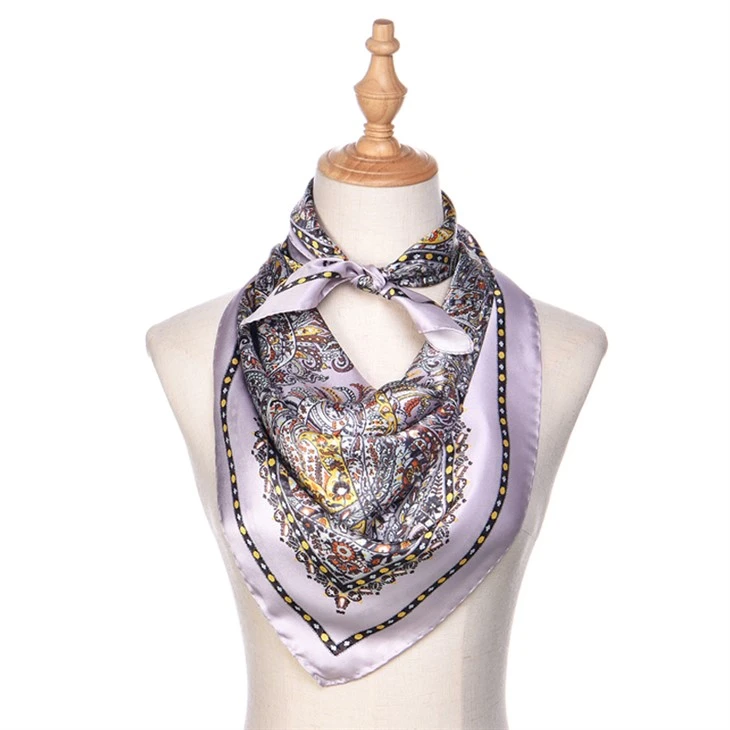
Silk is a luxurious and delicate fabric that is perfect for embroidery. Silk embroidered shawls are known for their softness, sheen, and drape. They can be worn in a variety of ways, from a formal evening event to a casual day out. The embroidery on silk shawls can be very detailed, often featuring floral or paisley patterns. For those interested in a large silk option, our Extra Large Square Silk Scarf is a great choice. It offers ample space for beautiful embroidery and can be styled in multiple ways.
Wool Embroidered Shawls
Wool is a warm and durable fabric, making wool embroidered shawls ideal for colder weather. They are often thicker and more substantial than silk shawls. The embroidery on wool shawls can be bold and textured, with geometric or traditional patterns. If you're looking for a more hands - on experience, our DIY Wool Scarf allows you to add your own embroidery touches and create a unique piece.
Satin Embroidered Shawls
Satin is a smooth and shiny fabric that gives a glamorous look to an embroidered shawl. Satin embroidered shawls are often used for special occasions, such as weddings or evening parties. They can be paired with a simple dress to add a touch of elegance. Our Satin Scarf For Hair At Night is not only functional but can also be embroidered to make it a more stylish accessory.
Styling an Embroidered Women Shawl
One of the great things about an embroidered women shawl is its versatility. It can be styled in numerous ways to suit different occasions and personal styles.
- Draped Over the Shoulders: This is the most classic way to wear a shawl. Simply drape it evenly over both shoulders, allowing the embroidery to be on display. This look is perfect for formal events or when you want to add a touch of sophistication to your outfit.
- As a Wrap: You can wrap the shawl around your body like a poncho. This is a great option for colder days or when you want to create a more relaxed and bohemian look.
- Tied at the Neck: Fold the shawl into a triangle and tie it at the neck like a scarf. This style is ideal for adding a pop of color and pattern to a simple top or dress.
- As a Headscarf: For a more ethnic or trendy look, you can wear the shawl as a headscarf. Tie it in different ways, such as a turban or a bandana, to create a unique and stylish look.
Why Choose Our Embroidered Women Shawls
As a women shawl supplier, we take pride in offering high - quality embroidered shawls. Our shawls are made from the finest materials, ensuring durability and comfort. We work with skilled artisans who are experts in the art of embroidery, guaranteeing that each shawl is a unique and beautiful piece.
We offer a wide range of designs and styles to cater to different tastes and preferences. Whether you're looking for a traditional floral pattern or a modern geometric design, we have something for everyone. Our shawls are also available in different sizes and colors, allowing you to find the perfect match for your outfit.

Contact Us for Procurement and Collaboration
If you're interested in purchasing our embroidered women shawls for your retail business or personal use, we would love to hear from you. We offer competitive pricing and excellent customer service. Whether you need a small quantity for your personal collection or a large order for your store, we can accommodate your needs.
Feel free to reach out to us to discuss your requirements and start a procurement process. We are committed to providing you with the best products and a seamless purchasing experience.
References
- "The History of Shawls" by Textile Museum of Canada
- "Embroidery Techniques Around the World" by Jane Stickland
- "Fashion History: Shawls Through the Ages" by Costume Institute of the Metropolitan Museum of Art