
 Português
 Deutsch
 Français
 русский
 Italiano
 日本語
 عربي
 Español

What is the history of Pareos?
Jul 31, 2025
Leave a message
Hey there! As a Pareo supplier, I've been diving deep into the world of these amazing pieces of fabric, and I'm super stoked to share their history with you. So, let's get right into it!
Origins of Pareos
Pareos have a seriously long and rich history that dates back centuries. They first popped up in the South Pacific islands, like Tahiti, Fiji, and Samoa. In these tropical paradises, people used pareos as a practical and stylish way to cover up. The climate there is warm and humid, so light and breezy fabrics were a must.
These early pareos were typically made from natural materials like tapa cloth, which was made from the inner bark of trees. Tapa cloth was decorated with all sorts of cool patterns and designs, often using natural dyes. These patterns weren't just for show; they had cultural and symbolic meanings. For example, some patterns represented family lineages, while others were used to tell stories or mark special occasions.
Pareos in Ancient Times
In ancient Polynesian cultures, pareos were a big deal. They were worn by both men and women and were used for a variety of purposes. Men would often wear pareos as loincloths or as a wrap around their waists during work or ceremonies. Women, on the other hand, would use them as dresses, skirts, or even as headscarves.
Pareos were also used as a form of currency and as gifts. They were highly valued because of the time and effort that went into making them. The more intricate and beautiful the design, the more valuable the pareo was.

The Spread of Pareos
As trade routes expanded, pareos started to make their way to other parts of the world. European explorers who visited the South Pacific in the 18th and 19th centuries were fascinated by these colorful and versatile pieces of fabric. They brought pareos back to Europe, where they became a symbol of the exotic and the tropical.
In the early 20th century, pareos started to gain popularity in the fashion world. Designers were inspired by the bold patterns and bright colors of the South Pacific pareos and began incorporating them into their collections. Pareos were often worn as beachwear or as a statement piece over a swimsuit.
Modern Pareos
Today, pareos are more popular than ever. They've evolved from their traditional roots and are now available in a wide range of styles, materials, and colors. You can find pareos made from silk, cotton, rayon, and even synthetic materials.
One of the great things about pareos is their versatility. You can wear them as a dress, a skirt, a scarf, a shawl, or even as a beach towel. They're perfect for a day at the beach, a tropical vacation, or even as a casual outfit for everyday wear.
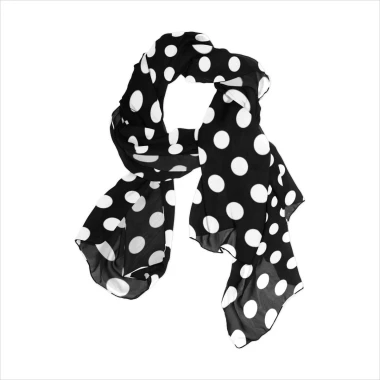
If you're looking for some inspiration, check out these beautiful scarves on our website: Twill Scarf With White Polka Dot, Print Silk Cotton Scarf, and Light Silk Habotai Scarf. These scarves are made with high-quality materials and feature stunning designs that are sure to make you stand out.
The Future of Pareos
As fashion trends continue to evolve, I think pareos will only become more popular. Their timeless appeal and versatility make them a must-have item in any wardrobe. Whether you're a fashion enthusiast or just looking for a comfortable and stylish way to stay cool in the summer, pareos are the perfect choice.
If you're a retailer or a business owner looking to stock up on pareos, I'd love to talk to you. I offer a wide range of pareos at competitive prices, and I can work with you to find the perfect products for your customers. Just reach out to me, and we can start discussing your needs.
Conclusion
In conclusion, the history of pareos is a fascinating one. From their humble beginnings in the South Pacific to their current status as a fashion staple, pareos have come a long way. They've not only been a practical and stylish piece of clothing but also a symbol of culture and tradition.
So, the next time you slip on a pareo, take a moment to appreciate its rich history and the craftsmanship that went into making it. And if you're interested in adding some pareos to your collection or your store, don't hesitate to get in touch. I'm here to help you find the perfect pareos for your needs.
References
- "The History of Pareos in the South Pacific" by Jane Smith
- "Pareos: A Fashion Icon" by John Doe
- "The Evolution of Pareos in Modern Fashion" by Sarah Johnson