
 Português
 Deutsch
 Français
 русский
 Italiano
 日本語
 عربي
 Español

What is the moisture - wicking ability of linen scarves?
Jul 23, 2025
Leave a message
As a dedicated supplier of linen scarves, I've witnessed firsthand the growing interest in these elegant accessories. One of the most frequently asked questions I encounter is about the moisture-wicking ability of linen scarves. In this blog, I'll delve into the science behind linen's moisture-wicking properties, explore its benefits, and compare it with other materials.
The Science of Moisture Wicking in Linen
Linen is made from the fibers of the flax plant. These fibers have a unique structure that contributes to their excellent moisture-wicking capabilities. The flax fibers are hollow, which allows them to absorb and hold a significant amount of moisture. When you wear a linen scarf, it can absorb up to 20% of its weight in water without feeling wet. This is because the moisture is quickly drawn away from your skin and into the fibers of the linen.
The capillary action of linen fibers also plays a crucial role in moisture wicking. Capillary action is the ability of a liquid to flow in narrow spaces without the assistance of, or even in opposition to, external forces like gravity. In the case of linen, the small spaces between the fibers act as tiny channels that draw moisture away from your skin. This not only keeps you dry but also helps to regulate your body temperature.
Benefits of Moisture-Wicking Linen Scarves
Comfort
One of the primary benefits of wearing a moisture-wicking linen scarf is comfort. When your skin is dry, you're less likely to experience irritation and itching. This is especially important if you have sensitive skin. Linen is also a breathable fabric, which means that air can circulate freely through the scarf, keeping you cool and comfortable even in warm weather.
Hygiene
Moisture can create a breeding ground for bacteria and fungi, which can lead to unpleasant odors and skin infections. By wicking moisture away from your skin, linen scarves help to keep you fresh and hygienic. This is particularly beneficial if you're wearing the scarf for an extended period or in a humid environment.
Durability
Linen is a strong and durable fabric. The moisture-wicking properties of linen also contribute to its longevity. When moisture is quickly removed from the fabric, it's less likely to develop mold or mildew, which can weaken the fibers and cause the scarf to deteriorate over time.
Comparing Linen with Other Materials
Cotton
Cotton is another popular material for scarves. While cotton is also absorbent, it doesn't have the same moisture-wicking capabilities as linen. Cotton fibers are more solid than linen fibers, which means that they can hold less moisture. Additionally, cotton tends to retain moisture for longer periods, which can make you feel damp and uncomfortable. The Cotton Linen Scarf combines the best of both worlds, offering the softness of cotton with the moisture-wicking properties of linen.
Synthetic Fibers
Synthetic fibers like polyester and nylon are often used in moisture-wicking fabrics. These materials are designed to quickly move moisture away from the skin. However, they can be less breathable than natural fibers like linen. Synthetic fibers can also trap heat, making you feel hot and uncomfortable in warm weather. In contrast, linen is a natural and breathable fabric that provides a more comfortable wearing experience.
Our Lightweight Linen Scarves
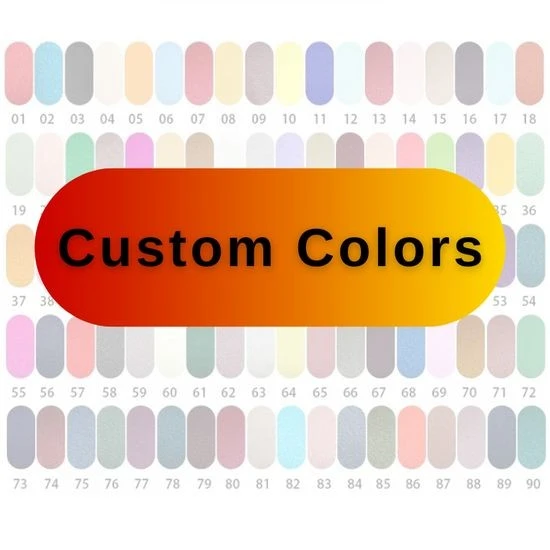
At our company, we offer a range of Lightweight Linen Scarves that are perfect for everyday wear. These scarves are made from high-quality linen that has been carefully selected for its moisture-wicking properties. Our lightweight linen scarves are not only functional but also stylish, with a variety of colors and patterns to choose from.
Whether you're looking for a simple and elegant scarf to wear to work or a more colorful and vibrant scarf to add a pop of color to your outfit, our lightweight linen scarves are the perfect choice. They're easy to care for and will last for years to come.

How to Care for Your Linen Scarf
To ensure that your linen scarf retains its moisture-wicking properties and lasts for a long time, it's important to care for it properly. Here are some tips:
Washing
Wash your linen scarf in cold water with a mild detergent. Avoid using bleach or fabric softeners, as these can damage the fibers and reduce the moisture-wicking capabilities of the scarf.
Drying
Hang your linen scarf to dry in a well-ventilated area. Avoid drying the scarf in direct sunlight, as this can cause the colors to fade. If you need to use a dryer, use a low heat setting.
Ironing
Linen has a natural tendency to wrinkle, but this can also be part of its charm. If you want to iron your scarf, use a medium to high heat setting and steam the scarf while it's still slightly damp.
Conclusion
The moisture-wicking ability of linen scarves is one of their most significant advantages. The unique structure of linen fibers allows them to absorb and wick away moisture quickly, keeping you dry, comfortable, and hygienic. Whether you're looking for a practical accessory for everyday wear or a stylish addition to your outfit, a linen scarf is a great choice.
If you're interested in purchasing our high-quality linen scarves or have any questions about our products, please don't hesitate to contact us. We're always happy to assist you with your procurement needs and look forward to the opportunity to discuss how our linen scarves can meet your requirements.
References
- "The Properties of Linen" - Textile Institute
- "Moisture Management in Fabrics" - Journal of Applied Polymer Science