
 Português
 Deutsch
 Français
 русский
 Italiano
 日本語
 عربي
 Español

What is the texture of a silk scarf?
Nov 20, 2025
Leave a message
Hey there! As a silk scarf supplier, I've been dealing with these beautiful pieces of fabric for ages, and I often get asked about the texture of silk scarves. So, let's dive right in and explore what makes the texture of a silk scarf so special.
First off, silk is a natural protein fiber, mainly produced by silkworms. This gives silk scarves a unique texture that's hard to beat. When you pick up a silk scarf, the first thing you'll notice is its incredible softness. It feels like a gentle caress against your skin, almost like a cloud floating over your body. This softness is due to the smooth and fine structure of silk fibers. Each fiber is incredibly thin, and they're arranged in a way that creates a seamless and luxurious feel.

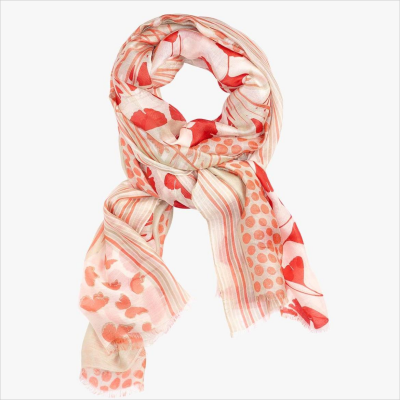
The smoothness of silk also contributes to its shiny appearance. Silk has a natural luster that catches the light and gives the scarf a beautiful, iridescent glow. This is because the silk fibers reflect light in a way that creates a shimmering effect, making the scarf look more expensive and elegant. Whether you're wearing it in the sunlight or under artificial light, a silk scarf will always stand out.
Another aspect of the texture of a silk scarf is its drapability. Silk has a natural ability to fall gracefully and drape beautifully around your neck or shoulders. It doesn't hold its shape rigidly like some other fabrics, but instead, it flows and moves with your body. This makes it incredibly versatile and easy to style. You can tie it in a variety of ways, from a simple knot to a more elaborate bow, and it will always look great.
Silk scarves also have a certain weight to them. They're not too heavy, but they're not too light either. This gives them a substantial feel that makes them feel more luxurious and high-quality. The weight also helps the scarf to stay in place when you're wearing it, so you don't have to worry about it constantly slipping off.
Now, let's talk about the different types of silk and how they can affect the texture of a scarf. The most common type of silk used in scarves is mulberry silk. Mulberry silk is known for its exceptional softness, smoothness, and luster. It's produced by silkworms that are fed only mulberry leaves, which gives the silk a pure and uniform quality. Scarves made from mulberry silk are often the most expensive, but they're also the most luxurious.
Another type of silk is wild silk, which is produced by wild silkworms. Wild silk has a coarser texture than mulberry silk, but it also has a more rustic and natural look. Scarves made from wild silk often have a slightly uneven surface and a more earthy color palette. They're a great choice if you're looking for something a little different and more unique.
In addition to pure silk scarves, there are also scarves made from a blend of silk and other fibers. For example, you can find Scarf Thick Wool scarves, which combine the softness of silk with the warmth and durability of wool. These scarves are perfect for colder weather and can be worn as a cozy accessory. There are also Wool Silk Blend Scarf and Silk Wool Scarves, which offer a balance between the two fibers.
When it comes to caring for your silk scarf, it's important to be gentle. Silk is a delicate fabric, so you should avoid washing it in hot water or using harsh detergents. Instead, hand wash it in cold water with a mild detergent, and then rinse it thoroughly. You can also dry it flat or hang it up to dry, but avoid wringing it out or putting it in the dryer. With proper care, your silk scarf will last for years and continue to look beautiful.
So, there you have it! That's what the texture of a silk scarf is all about. It's soft, smooth, shiny, drapey, and luxurious. Whether you're looking for a classic accessory or something more unique, a silk scarf is always a great choice. And if you're interested in purchasing some silk scarves for your business or personal use, don't hesitate to get in touch. I'd be happy to discuss your needs and help you find the perfect scarves for you.
References
- "The Science of Silk." Smithsonian Magazine.
- "Silk: A Natural Wonder." National Geographic.
- "How to Care for Silk." Martha Stewart Living.