
 Português
 Deutsch
 Français
 русский
  Italiano
 日本語
日本語 عربي
عربي  Español
What is the warmth - to - weight ratio of a wool scarf?
Jul 01, 2025
Leave a message
Hey there! As a wool scarf supplier, I often get asked about the warmth - to - weight ratio of our wool scarves. It's a crucial factor, especially for those who want to stay warm without feeling like they're carrying a ton of weight around their necks. So, let's dig into what this ratio means and why it matters when it comes to our wool scarves.
Understanding the Warmth - to - Weight Ratio
First off, what exactly is the warmth - to - weight ratio? Simply put, it's a measure of how much warmth a material can provide relative to its weight. A high warmth - to - weight ratio means you get a lot of warmth from a relatively light - weight material. This is super important for scarves because you want to be cozy but not weighed down.
Wool is an amazing natural fiber when it comes to this ratio. It has tiny air pockets within its structure. These air pockets act as insulators, trapping warm air close to your body. Unlike some synthetic materials that might be heavy and bulky to achieve the same level of warmth, wool can keep you warm with less mass.
Why Wool Shines in This Aspect
One of the reasons wool has a great warmth - to - weight ratio is its natural crimp. The crimp in wool fibers creates those air pockets I mentioned earlier. When the wool is spun into yarn and then made into a scarf, these air pockets are preserved, providing excellent insulation.
Another advantage of wool is its moisture - wicking ability. It can absorb moisture from your skin and release it into the air. When you're wearing a scarf, your body might produce a little bit of sweat, especially if you're moving around. Wool can handle this moisture without losing its insulating properties. In contrast, some other materials might get damp and cold, making you feel uncomfortable.
Our Wool Scarf Range and Their Ratios
We offer a variety of wool scarves, each with its own unique warmth - to - weight ratio based on the type of wool used and the construction of the scarf.
Classic Wool Scarf
Our Classic Wool Scarf is made from a blend of high - quality wools. It's a medium - weight scarf that strikes a great balance between warmth and weight. The classic design makes it suitable for everyday wear, whether you're commuting to work or going out for a casual walk. The wool blend ensures that it has a good number of air pockets for insulation, while still being light enough to not feel burdensome.
Soft Wool Scarf
The Soft Wool Scarf is made from a softer variety of wool. It's a bit lighter in weight compared to the classic one, but don't let that fool you. It still provides a surprising amount of warmth. This scarf is perfect for those milder winter days or if you prefer a more delicate feel around your neck. The softness of the wool also makes it very comfortable to wear for long periods.
Pure Wool Scarf
Our Pure Wool Scarf is the real deal. Made from 100% pure wool, it offers the highest level of warmth - to - weight ratio in our collection. The pure wool fibers have a natural ability to trap air, providing maximum insulation. It's a heavier scarf compared to the others, but the warmth it provides is well worth it, especially on those really cold days.
How to Choose Based on the Ratio
When choosing a wool scarf, think about where and when you'll be wearing it. If you're in a place with mild winters and you'll be mostly indoors, the Soft Wool Scarf might be the best choice for you. It's light and comfortable, and still gives you enough warmth.
For those who have a longer commute or spend more time outdoors in moderately cold weather, the Classic Wool Scarf is a great option. It provides a good amount of warmth without being too heavy.
If you live in an area with extremely cold winters or you're planning a winter adventure, the Pure Wool Scarf is your go - to. It will keep you warm even in the harshest conditions.
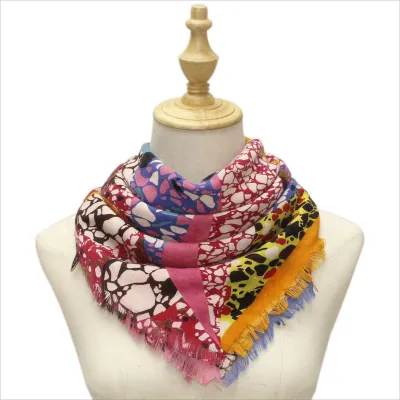

The Impact of Construction on the Ratio
The way a wool scarf is constructed also affects its warmth - to - weight ratio. For example, a tightly woven scarf might be heavier but can provide more wind resistance, which in turn increases its warmth. On the other hand, a loosely knitted scarf might be lighter but still warm due to the air pockets created by the knitting pattern.
We pay close attention to the construction of our scarves. Our designers use different techniques to optimize the warmth - to - weight ratio. Whether it's a simple weave or an intricate knitting pattern, each design is carefully thought out to give you the best balance of warmth and weight.
Maintenance and the Ratio
Proper maintenance of your wool scarf is important to keep its warmth - to - weight ratio intact. Wool is a durable fiber, but it does require some care. Always follow the care instructions on the label.
Avoid washing your wool scarf too often, as this can damage the fibers and reduce the number of air pockets, which affects the insulation. If it gets a little dirty, spot - clean it instead. When storing your scarf, make sure it's clean and dry. Folding it properly or hanging it on a wide hanger will prevent it from losing its shape and maintaining its warmth - to - weight ratio.
Conclusion
In conclusion, the warmth - to - weight ratio of a wool scarf is a key factor to consider when choosing the perfect scarf for you. Wool, with its natural properties like crimp and moisture - wicking ability, offers an excellent ratio compared to many other materials.
Our range of Classic Wool Scarf, Soft Wool Scarf, and Pure Wool Scarf provides options for every need and preference. Whether you're looking for a light and soft scarf or a heavy - duty one for extreme cold, we've got you covered.
If you're interested in purchasing our wool scarves in bulk for your business or just want to stock up for yourself, feel free to reach out. We're always happy to discuss your needs and offer the best solutions. Let's keep you and your customers warm this winter!
References
- Textile Research Journal, various issues on wool properties
- Handbook of Natural Fibers: Volume 2, Animal Fibers