
 Português
 Deutsch
 Français
 русский
 Italiano
 日本語
 عربي
 Español

Choosing The Right Scarf Material: A Practical Guide
Nov 09, 2026
Leave a message
Choosing the right scarf material is an important step in developing a scarf collection. Fabric composition affects the scarf's texture, drape, warmth, weight, appearance, and care requirements. The same scarf design can also look different when produced with silk, cotton, wool, or polyester.
For fashion brands, wholesalers, and importers, material selection should start with the intended product application, target market, and price range. Understanding the differences between common scarf fabrics makes it easier to select suitable materials before sampling and bulk production.
This guide introduces several common scarf materials, compares their characteristics, and explains what to consider when choosing fabric for a new collection.
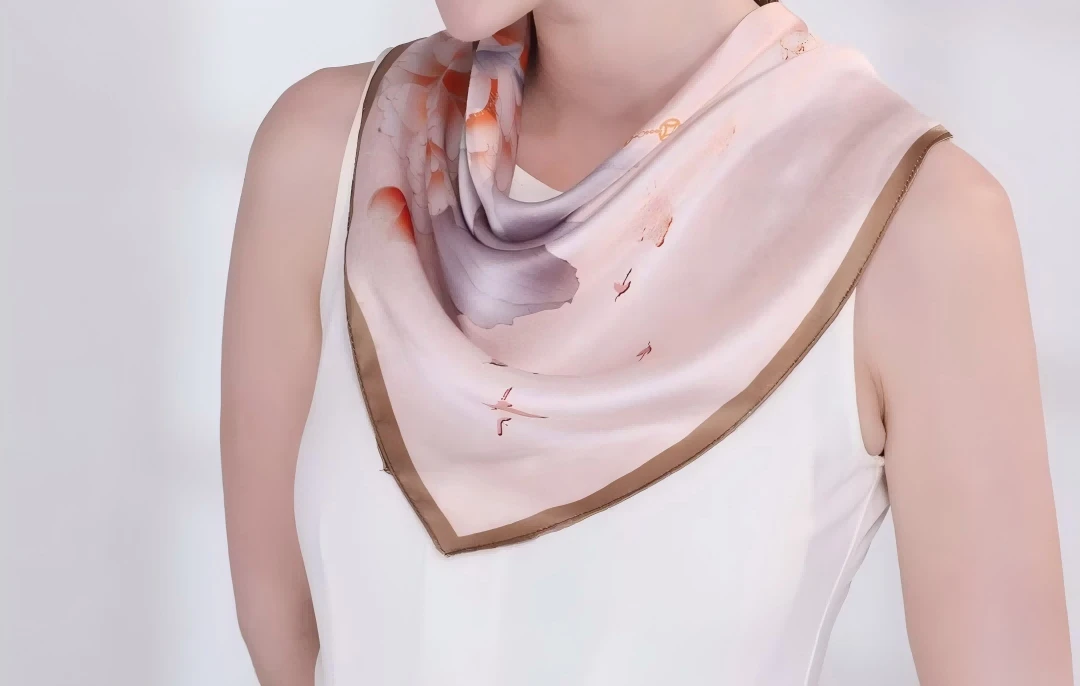
Silk: Best for Lightweight and Printed Fashion Scarves
Silk is a natural protein fiber known for its smooth texture, soft luster, and fluid drape. It is commonly selected for fashion scarves, neck accessories, and decorative silk Twilly designs.
Different silk fabric constructions create different surface effects.
- Silk Twill: Features a diagonal weave structure and is commonly used for printed square scarves and Twilly scarves.
- Silk Satin: Has a smooth surface with a noticeable sheen, suitable for scarves requiring a glossy appearance.
- Silk Chiffon: Lightweight and semi-transparent, often used for airy fashion accessories.Silk Habotai: Has a relatively smooth and
- lightweight structure, suitable for selected printed scarf designs.
Silk is particularly suitable for collections where fabric appearance, drape, and surface texture are important. However, its care requirements and material cost should be considered during product planning.
Best for: Printed silk scarves, lightweight neck scarves, luxury fashion accessories, and spring or summer collections.
Cashmere: Best for Soft and Warm Winter Scarves
Cashmere is a fine animal fiber obtained from the undercoat of cashmere goats. Its fine fibers create a soft hand feel and provide insulation, making it a common choice for winter scarf collections.
Cashmere scarves can be produced in different weights and constructions. Lightweight fabrics offer a softer drape, while thicker constructions provide more coverage for cold-weather use.
When selecting cashmere, pay attention to:
- Fiber composition and cashmere content.
- Fabric weight and thickness.
- Surface softness and consistency.
- Knitted or woven construction.
- Pilling performance and care requirements.
Cashmere blends can also be considered when the collection requires a different balance of material characteristics and target pricing.
Best for: Winter scarves, premium gift collections, cold-weather accessories, and soft neckwear.
Wool: Best for Autumn and Winter Collections
Wool is a natural animal fiber valued for its insulating properties and moisture absorption. It is frequently used in woven and knitted scarves designed for cooler weather.
The finished texture depends on the wool type, yarn structure, fabric weight, and finishing process. Some wool scarves have a smooth woven surface, while others feature brushed or textured finishes.
Important selection points include:
- Wool content and fiber type.
- Fabric thickness and density.
- Surface softness and texture.
- Yarn construction and finishing.
- Expected warmth and intended climate.
Wool blends are another option for brands developing scarves with specific texture, weight, or pricing requirements.
Best for: Autumn scarves, winter fashion accessories, woven wool scarves, and textured seasonal collections.
Cotton: Best for Lightweight and Everyday Scarves
Cotton is a natural plant-based fiber with a breathable structure and familiar hand feel. It is suitable for casual scarves and lightweight accessories.
Cotton fabrics are available in different weaves and weights, allowing brands to develop products with different textures and levels of coverage.
Common options include:
- Cotton Voile: Lightweight and relatively sheer, suitable for summer scarves.
- Cotton Poplin: Has a smooth, closely woven surface and a more structured feel.
- Cotton Gauze: Features a light, airy construction with a relaxed texture.
- Cotton Twill: Has a diagonal weave and a more defined fabric structure.
When selecting cotton, check fabric weight, shrinkage behavior, surface texture, and printing compatibility.
Best for: Casual scarves, spring and summer collections, lightweight square scarves, and everyday fashion accessories.
Polyester: Best for Versatile Printed Scarf Collections
Polyester is a synthetic fiber used in a wide range of fashion accessories. It can be developed into fabrics with different textures, weights, and surface finishes.
One of its advantages is its compatibility with sublimation printing when the fabric contains suitable polyester fibers. This makes it a practical option for colorful printed scarves and promotional accessories.
When evaluating polyester scarf fabrics, consider:
- Fabric hand feel and surface texture.
- Weight and drape.
- Printing compatibility.
- Color fastness.
- Dimensional stability after care.
Different polyester constructions can produce different finished results, so the fabric should be evaluated through a physical sample rather than selected by fiber name alone.
Best for: Printed fashion scarves, promotional scarves, lightweight accessories, and collections with specific price targets.
Scarf Material Comparison: Which Fabric Should You Choose?
The following table summarizes the main characteristics of common scarf materials.
|
Material |
Main Characteristics |
Suitable Applications |
|---|---|---|
|
Silk |
Smooth surface, soft luster, fluid drape |
Fashion and printed scarves |
|
Cashmere |
Fine fibers, soft hand feel, insulation |
Winter and premium scarves |
|
Wool |
Insulating, moisture-absorbing, versatile textures |
Autumn and winter scarves |
|
Cotton |
Breathable, natural texture, versatile weights |
Casual and summer scarves |
|
Polyester |
Versatile fabric structures, suitable for compatible printing methods |
Printed and promotional scarves |
There is no single material that suits every scarf collection. The selection depends on the intended application, fabric construction, target price, and customer preferences.
How to Choose the Right Scarf Material for Your Collection
After understanding the available fabric options, brands can narrow down their choices by considering several practical requirements.
1. Start with the Intended Season
Spring and summer collections generally favor lightweight materials such as silk and cotton. Autumn and winter collections may require wool or cashmere fabrics with greater coverage and insulation.
2. Match the Fabric with the Design
The fabric should complement the scarf's pattern and structure. For example, silk twill is suitable for many detailed printed designs, while wool fabrics are often selected for textured seasonal styles.
3. Consider the Target Price
Material composition, fiber grade, fabric weight, and processing requirements all affect the final product cost. Compare different fabric options against the planned retail positioning and procurement budget.
4. Check Printing and Finishing Compatibility
If the scarf includes printed artwork, confirm that the selected fabric is compatible with the intended printing process. Edge finishing, hemming, and other construction details should also be considered.
5. Evaluate Physical Samples
Request fabric swatches or finished samples to compare texture, drape, weight, color appearance, and overall suitability before confirming the material.
Why Sample Approval Matters Before Bulk Production
A fabric specification sheet cannot fully show how a scarf will look and feel after manufacturing. Physical samples help confirm whether the selected material matches the intended product design.
During sample evaluation, pay attention to:
- Fabric Composition: Confirm the actual fiber content.
- Hand Feel: Check softness, smoothness, and surface texture.
- Drape: Observe how the fabric hangs when folded or worn.
- Color Appearance: Compare the fabric or printed colors with approved references.
- Dimensions: Check the finished length and width.
- Finishing: Inspect hems, seams, and overall construction.
For repeat orders, keep the approved fabric sample and finished scarf as references. Any changes in material composition, weight, or finishing should be confirmed before production.
Why Choose Yucanhang for Scarf Manufacturing?
Hangzhou Yucanhang Textile Co., Ltd. works with scarf development and manufacturing projects for brands, wholesalers, and distributors. We coordinate material selection, product specifications, printed designs, and finished scarf requirements.
- Multiple Material Options: Support fabric selection across silk, wool, cashmere, cotton, and other suitable scarf materials.
- Product Development Experience: Coordinate fabric characteristics with scarf styles, dimensions, and intended applications.
- Printing and Design Coordination: Help align fabric selection with artwork, color requirements, and printing methods.
- Sample Development: Review fabric texture, drape, printing results, and finished construction before bulk production.
- OEM/ODM Support: Coordinate customized scarf specifications, designs, and packaging for different brand collections.
By discussing material requirements and finished product details at the beginning of a project, we help establish clearer specifications for sampling and production.
FAQ
1. What is the best material for a lightweight scarf?
Silk and cotton are common choices for lightweight scarves. Silk offers a smooth surface and fluid drape, while cotton provides different breathable fabric options for casual collections.
2. Which material is most suitable for winter scarves?
Cashmere and wool are commonly used for winter scarves because of their insulating properties. The final warmth depends on fiber composition, fabric weight, and construction.
3. Is polyester suitable for printed scarves?
Yes. Polyester can be used for various printed scarf designs. Sublimation printing is one option for compatible polyester fabrics, while other printing methods depend on the fabric and artwork.
4. What does GSM mean in scarf fabric specifications?
GSM stands for grams per square meter. It indicates fabric weight per unit area and helps compare the relative weight of different materials.
5. Are blended fabrics suitable for scarf production?
Yes. Blended fabrics combine two or more fiber types to achieve selected characteristics. Their suitability depends on the fiber ratio, yarn construction, and finished fabric performance.
6. Should I request fabric samples before placing a bulk order?
Yes. Fabric samples allow you to evaluate composition, texture, weight, drape, and color appearance before confirming the material for production.