
 Português
 Deutsch
 Français
 русский
  Italiano
 日本語
日本語 عربي
عربي  Español
Top 5 Custom Scarf Manufacturers For Fashion Brands in 2026
Oct 10, 2026
Leave a message
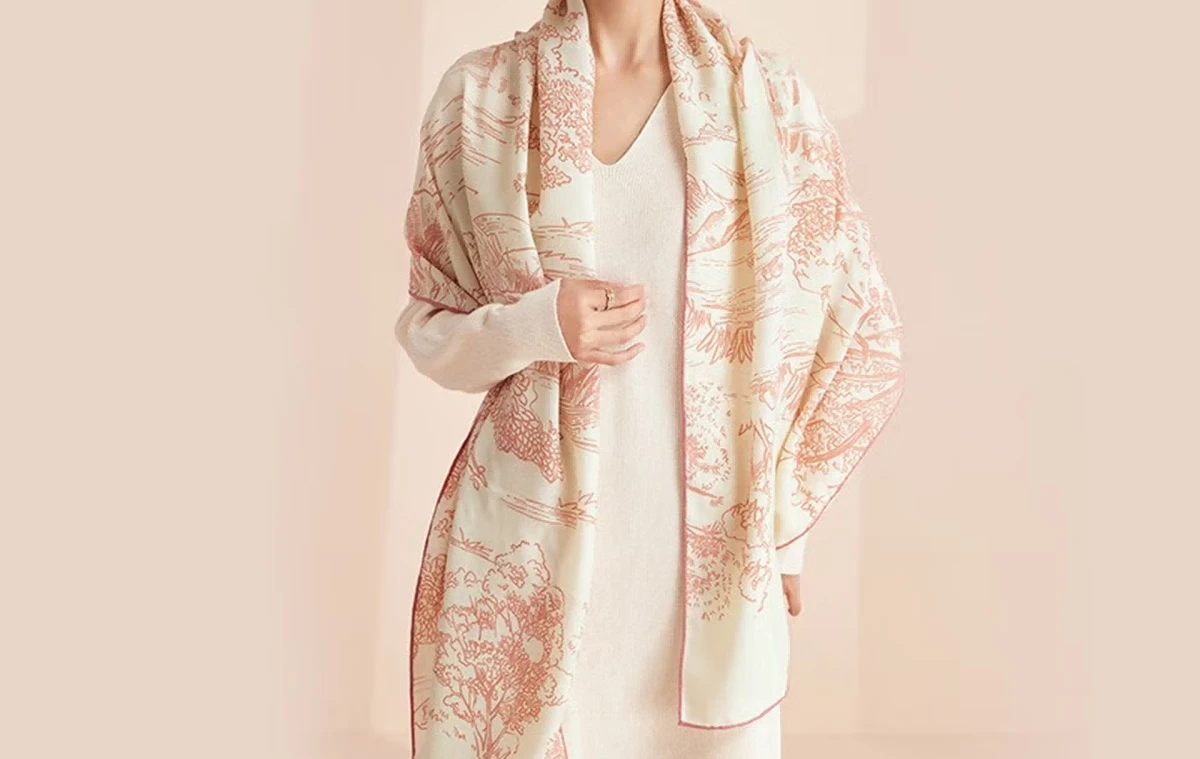
For fashion brands, custom scarves can serve as seasonal accessories, signature print products, gift items, or additions to a wider apparel collection. Choosing a manufacturer involves more than comparing prices. Fabric selection, artwork reproduction, edge finishing, branding, and packaging all influence the finished product and its suitability for retail.
In 2026, brands sourcing custom scarves may be looking for printed silk squares, cotton bandanas, wool scarves, lightweight modal wraps, or coordinated accessories such as twillies and headscarves. Some projects require a manufacturing partner that can develop a product from an initial concept, while others need a supplier to reproduce an established design across different sizes and materials.
The following five companies are potential sourcing candidates for different fashion accessory projects. Buyers should confirm current production capabilities, minimum order quantities, lead times, and quality requirements directly with each company.
Top 5 Custom Scarf Manufacturers for Fashion Brands
|
Company |
Location |
Main Products and Services |
Suitable For |
|---|---|---|---|
|
Hangzhou Yucanhang Textile Co., Ltd. |
Hangzhou, China |
Custom scarves, multiple fabric options, OEM/ODM, labels and packaging |
Multi-material collections and private-label accessories |
|
Hangzhou HuaCuiYuan Silk Co., Ltd. |
Hangzhou, China |
Printed silk scarves and customized printing |
Artwork-focused silk accessories |
|
Hangzhou Chuanyue Silk Imp. & Exp. Co., Ltd. |
Hangzhou, China |
Custom silk scarves and related textile products |
Custom silk scarf sourcing |
|
Hangzhou Xianzhi Silk Co., Ltd. |
Hangzhou, China |
Silk scarves, twillies, ties and other silk accessories |
Coordinated silk accessory collections |
|
XingHeMei Imp. & Exp. Co., Ltd. |
Hangzhou, China |
Multi-material scarves and OEM/ODM sourcing coordination |
Brands sourcing across different scarf categories |
Hangzhou Yucanhang Textile Co., Ltd.
Hangzhou Yucanhang Textile Co., Ltd. was established in 2012 and provides OEM/ODM services for scarves and textile fashion accessories. Its product range includes silk, cotton, wool, modal, viscose,and polyester, as well as shawls, bandanas, twillies, and related accessories.
For fashion brands, this range supports product planning across different seasons and retail categories. A collection might combine printed silk squares for spring, cotton bandanas for casual styling, wool scarves for autumn and winter, and narrow twillies designed to complement handbags or other accessories. Each product still requires its own material and construction specifications.
Customization options include fabric selection, dimensions, colors, artwork, printing, edge finishing, labels, hangtags, and packaging. The company also lists printing, dyeing, fabric inspection, cutting, and sewing equipment among its production resources.
Brands can provide reference images, artwork files, target dimensions, fabric preferences, and estimated quantities when requesting a quotation. For new designs, the sample should be checked for color reproduction, fabric hand feel, pattern placement, dimensions, and finishing before bulk production is approved.
Hangzhou HuaCuiYuan Silk Co., Ltd.
Hangzhou HuaCuiYuan Silk focuses on silk products, including custom printed scarves. Its published printing options include single-sided and double-sided digital printing, screen printing, double-face printing, and dyeing.
For brands whose collections depend on original artwork, the printing method and fabric should be evaluated together. Fine lines, detailed illustrations, large color areas, and border patterns can produce different results depending on the selected fabric and printing process. Buyers should request a sample using the intended material and confirm the appearance of both sides where relevant.
Hangzhou Chuanyue Silk Imp. & Exp. Co., Ltd.
Hangzhou Chuanyue Silk Imp. & Exp. Co., Ltd. offers custom silk scarf products and related textile sourcing services. Buyers should confirm fabric composition, printing or dyeing methods, finishing requirements, and available customization options for each proposed design.
For repeat collections, retaining an approved sample and written color references can help control differences between production batches.
Hangzhou Xianzhi Silk Co., Ltd.
Hangzhou Xianzhi Silk Co., Ltd. offers silk scarves and related accessories, including twillies, ties, sleep masks, and scrunchies. Its OEM/ODM services may suit brands looking to build a coordinated accessory range around a shared fabric or print concept.
Artwork should be adjusted for each item's dimensions and intended use. A pattern designed for a square scarf may need a different layout when applied to a narrow twilly.
XingHeMei Imp. & Exp. Co., Ltd.
XingHeMei is a Hangzhou-based scarf export company that works with partner factories and offers OEM/ODM coordination. Its product range includes scarves made from silk, wool, cotton, linen, cashmere, and blended materials.
Buyers should confirm which facility will manufacture the selected product and who is responsible for sampling, production inspection, packaging, and shipment.
How to Choose the Right Fabric for a Custom Scarf Collection
Fabric selection should reflect the product's intended appearance and use rather than relying on fiber names alone.
|
Fabric Category |
Typical Product Direction |
Points to Confirm |
|---|---|---|
|
Silk |
Printed squares, neck scarves, twillies |
Fabric weight, surface, drape, print appearance |
|
Cotton |
Bandanas, casual scarves, everyday accessories |
Weave, softness, shrinkage, color retention |
|
Wool |
Autumn and winter scarves |
Fiber composition, weight, surface finish, pilling |
|
Modal |
Lightweight scarves and soft wraps |
Drape, opacity, fabric weight, finishing |
|
Blended fabrics |
Styles requiring a combination of fiber properties |
Exact fiber percentages, surface texture, care requirements |
Which Printing Method Is Suitable for Custom Scarves?
The appropriate printing method depends on the fabric, artwork, order requirements, and desired result. Buyers should discuss the options with the manufacturer before finalizing production artwork.
|
Method |
Considerations for Buyers |
|---|---|
|
Digital printing |
Can accommodate detailed artwork and multiple colors; test the result on the selected fabric |
|
Screen printing |
May suit certain graphic designs and production setups; confirm color separation and setup requirements |
|
Double-sided printing |
Requires specific confirmation of appearance and alignment on both sides |
|
Yarn-dyed or woven patterns |
Suitable for designs created through yarn or fabric construction rather than surface printing; confirm available patterns and setup requirements |
How Should Brands Plan Scarf Sizes and Proportions?
Scarf dimensions influence styling, fabric consumption, packaging, and how the artwork fits the finished product. A size should be selected according to the intended use and design rather than chosen only because it is common in the market.
Square scarves: Plan the central motif, border width, and corner details together.
Long scarves: Consider how the pattern looks when the scarf is folded, wrapped, or draped.
Twillies: Use artwork suited to a narrow format, with attention to the visibility of small motifs.
Large shawls and wraps: Confirm the finished dimensions, fabric weight, drape, and packaging volume.
Include the finished width and length in the technical specification. If measurement tolerances are important to the collection, agree on them before production rather than evaluating dimensions informally after delivery.
How Do Labels, Edge Finishing, and Packaging Affect the Final Product?
These details can influence the finished scarf's appearance and the amount of work required during production. They should therefore be included in the original product brief.
Label and Logo Placement
Specify whether the scarf requires a woven label, printed label, care label, or logo detail. Provide the label dimensions, artwork, position, and attachment method where these have already been decided.
Edge Construction
A rolled hem, stitched hem, and fringe create different visual effects. The selected construction should suit the fabric and design. Confirm the edge on the sample, especially when the border artwork runs close to the finished edge.
Retail Packaging
Brands may choose individual bags, paper sleeves, gift boxes, or other packaging formats. Confirm packaging dimensions and materials, as well as whether labels or inserts must be included. If packaging is part of a coordinated collection, standardizing selected elements can help maintain a consistent retail presentation.
How Can Fashion Brands Keep a Scarf Collection Consistent?
A collection may contain different materials and scarf sizes while still following one brand identity. Consistency comes from shared design rules and clear production records.
- Establish a color palette. Record the brand colors and provide consistent references for every design.
- Create a design system. Define how borders, motifs, logos, and pattern repeats should be used across the collection.
- Standardize selected product details. Where appropriate, use consistent label placement, finishing styles, and packaging.
- Control artwork revisions. Identify the approved artwork file and keep earlier versions separate.
- Retain physical samples. Keep the approved sample and its production specification for future reference.
- Review changes between seasons. If the fabric or printing process changes, assess the effect on appearance and hand feel before proceeding.
How to Evaluate a Custom Scarf Manufacturer Before Placing an Order
A supplier's product range is only one part of the evaluation. Brands should also examine how the supplier handles sample development, production specifications, and communication about changes.
- Sample development: Ask whether the sample will use the proposed bulk fabric and whether printing, finishing, labels, and packaging can be evaluated before approval.
- Production responsibility: Confirm which company or factory will manufacture the order, especially when an export company coordinates production through partner factories.
- Quality documentation: Agree on the reference sample, dimensions, color requirements, finishing details, and inspection points.
- Order management: Confirm the minimum quantity per design, sampling and production lead times, and the process for handling changes.
- Repeat-order control: Ask how the supplier will reference the approved sample and whether it can notify the buyer of material or process changes before production.
These checks help brands choose a supplier based on the requirements of the actual project rather than relying only on a product catalogue.
About Hangzhou Yucanhang Textile Co., Ltd.
Hangzhou Yucanhang Textile Co., Ltd. was established in 2012 and focuses on custom textile accessories for international markets. The company serves buyers developing fashion accessories for retail collections, seasonal launches, brand collaborations, and private-label programs.
For fashion brands, product development often involves more than creating a single scarf. A collection may require several designs for different seasons, coordinated accessories for the same campaign, or variations of an established design for different customer groups. Yucanhang's OEM/ODM business model allows buyers to discuss product concepts and customization requirements around their own brand plans.
When preparing a project, buyers can organize their requirements by collection, intended market, target product category, and launch schedule. This provides a practical basis for discussing the scope of development, production arrangements, and order planning with the company.
For brands building an ongoing accessory range, the next step is to establish clear product specifications and retain approved references for future orders. This makes it easier to manage seasonal updates while keeping each product aligned with the brand's design direction.
FAQ
Can custom scarf manufacturers produce scarves under my own brand?
Many suppliers offer OEM or private-label services that may include custom artwork, labels, hangtags, and packaging. Confirm which services are available for your selected product and whether they involve additional setup costs.
Can one manufacturer produce silk, cotton, and wool scarves?
Some suppliers list several material categories, but their available processes and production arrangements can differ. Confirm the specific fabric, construction, and manufacturing facility for each product.
Should fashion brands approve a sample before bulk production?
Yes. A physical sample allows the brand to assess fabric hand feel, color reproduction, print placement, dimensions, and finishing. The approved sample should be linked to a written product specification.
Can the same artwork be used for different scarf styles?
Often, but the layout may need to be adjusted for each product's dimensions and construction. A square scarf, long scarf, and twilly have different proportions, so artwork placement and pattern scale should be reviewed separately.
How can brands reduce color differences between repeat orders?
Keep an approved physical sample, documented color references, and the final artwork file. Ask the manufacturer to confirm whether the original fabric and production process will be used for the repeat order.